
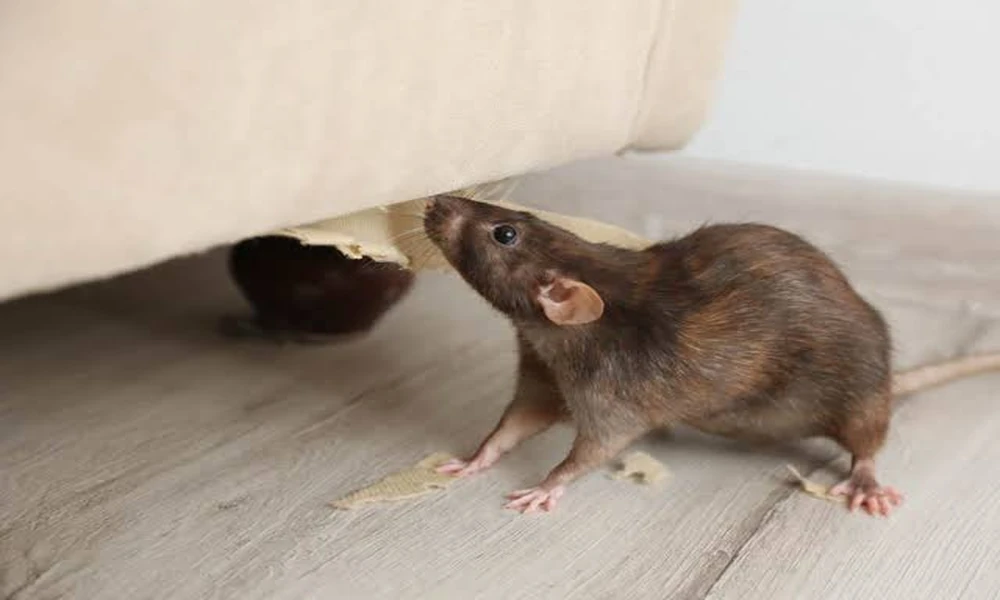
Rats get into Clermont homes through openings most people walk past every day. Rodents can squeeze through openings far smaller than they look like they should, so a spot that seems too tight is often enough. Finding and closing those openings is the most effective way to keep rodents out. A visit from a rodent control company in Clermont often turns up several entry points the owner never noticed. Most of them fall into a few predictable places.
Roof rats are the most common rat here, and they climb. That changes where to look. The entry points are often up high, not only along the ground where many homeowners start and stop looking.
What Brings Rats to the House First
Rats look for food, water, and cover, and a house that offers all three is a target. Fruit trees, pet food, bird seed, and open trash give them a reason to stay close. Dense shrubs against the walls, wood piles, and clutter give them cover to move around unseen. Water from a leaky spigot, a pet bowl, or a clogged gutter keeps them nearby. Clearing these first makes the sealing work last, because a house with less to offer draws fewer rats to test its walls.
The Roofline and Attic
Roof rats travel along branches, wires, and fences to reach the roof. From there they look for a way into the attic. The common openings include the point where the roof meets the walls, the eaves, and gable and soffit vents with torn or missing screens. Where two roof lines meet, a small opening at the joint can be enough. Roof vents, plumbing stacks, and the space around them add more spots up high. Block these by screening vents with metal hardware cloth and sealing the openings where the roof meets the wall. Keep tree limbs trimmed back several feet so rats cannot reach the roof in the first place.
Pipes, Wires, and Vents
Every house has points where pipes, wires, and ducts pass through the walls. The holes cut for them are often larger than the pipe, and the space around them lets rodents in. Plumbing under sinks, the dryer vent, the AC line set, and cable or electrical entries are common spots. A dryer vent with a broken flap is an open door. Seal around these lines with mortar, metal, or a rodent-proof sealant. Soft foam alone does not work, because rats chew through it. Fit the dryer vent with a cover that closes on its own when the dryer is off.
Doors, Garages, and the Ground Floor
At ground level, the weak points are doors and the garage. A worn sweep under an entry door or the garage door leaves an opening a rodent can slip through. Rubber garage-door seals crack and pull away at the corners over time. Crawl space vents and foundation openings add more ways in near the ground. The garage is a common first stop, since it often connects to the house and holds stored food and clutter. Replace worn door sweeps and garage-door seals, check the bottom corners where rodents push through, and screen crawl space and foundation vents with metal mesh.
Start at the Top and Work Down
Because roof rats come in high, the roof and the attic deserve the first look. Walk the outside of the house and check the roofline, the vents, and the spots where limbs come close. Then move down to the pipes and wires, and finish at the doors, garage, and foundation. A simple order keeps the search from missing the high entry points this pest uses most. Checking the same points twice a year keeps new openings from going unnoticed as the house ages.
Blocking Entry for Good
Trapping clears the rodents already inside, but it does not stop new ones. Sealing the openings is what keeps them out for good. Use metal or hardware cloth where rodents can chew. Foam or plastic will not last. Keep branches, vines, and clutter away from the walls so rodents have no easy route to the house. Saela Pest Control can inspect a Clermont home for entry points, seal them with the right materials, and remove the rodents already inside. Closing the openings is the step that turns a short-term fix into a lasting one.