
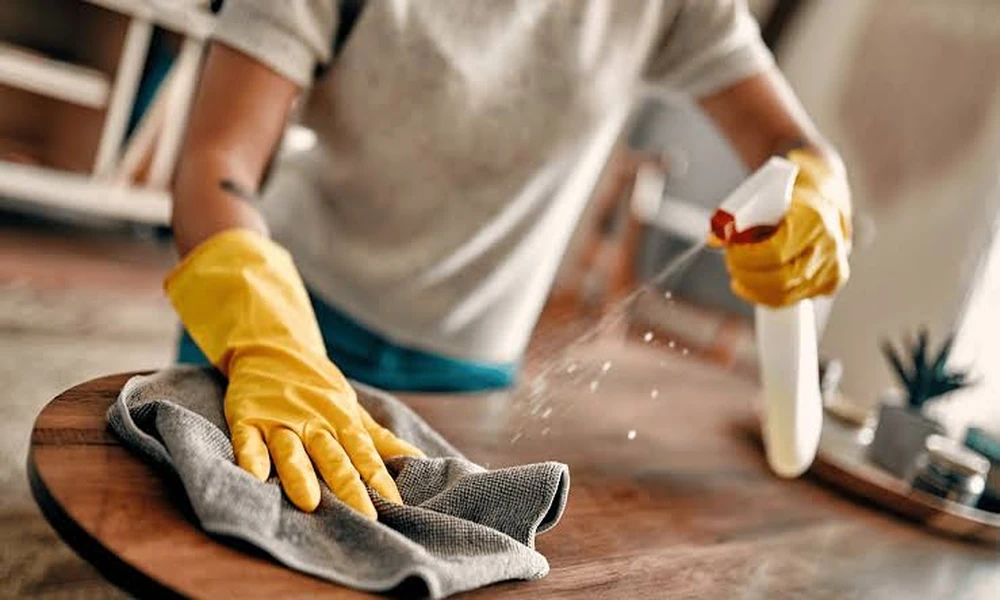
Apartment living comes with plenty of advantages, including lower maintenance, convenient locations and less outdoor upkeep. However, the way an apartment needs to be cleaned can be quite different from a freestanding house. Smaller spaces can become messy more quickly, ventilation may be limited and shared building areas can introduce extra dust and dirt. This is one reason some apartment residents use a professional apartment cleaning service to help keep their home consistently fresh, especially when storage, airflow and floor space are limited.
Smaller Spaces Can Look Messy Faster
One of the biggest differences with apartment living is that there is simply less space for everyday items to spread out.
A few bags near the entrance, dishes on the kitchen bench or clothes on a chair can make the whole apartment feel untidy very quickly.
In a larger home, clutter may be spread between several rooms. In an apartment, it is often visible from multiple areas at once.
This means regular tidying can be just as important as actual cleaning.
A short daily reset can make a big difference. Putting away dishes, clearing benches and returning items to their proper storage areas helps prevent clutter from building up.
Dust Can Build Up Quickly
Apartments are not necessarily less dusty just because they are smaller.
Dust can enter through windows, balconies, hallways and ventilation systems. In buildings close to busy roads or construction areas, fine particles may settle on surfaces surprisingly quickly.
Because apartment rooms are often compact, dust on shelves, television units and window sills can be more noticeable.
Regular vacuuming and wiping with a damp microfibre cloth can help prevent buildup.
High surfaces such as the tops of cabinets, air-conditioning units and light fittings should also be checked from time to time.
Ventilation Can Be More Limited
Some apartments have fewer windows than houses, and certain rooms may have limited natural airflow.
Bathrooms are a common example.
Without strong ventilation, moisture can remain in the room after showers, increasing the chance of soap residue, mildew and mould developing around tiles, grout and silicone.
Using exhaust fans and leaving bathroom doors open when appropriate can help improve airflow.
It is also useful to wipe excess water from shower screens and other wet surfaces rather than allowing moisture to sit for long periods.
Kitchens can have similar issues when cooking steam and smells remain trapped indoors.
Using the rangehood and opening windows where possible can help reduce this buildup.
Balconies Create Their Own Cleaning Challenges
Many apartments include a balcony, which acts as a transition between indoor and outdoor spaces.
Balconies can collect dust, leaves, pollen and general outdoor debris.
In higher-rise buildings, wind can also carry fine particles onto floors, railings and outdoor furniture.
When people move between the balcony and living area, some of this dirt can be brought inside.
Regular sweeping and occasional washing can help keep balcony debris under control.
It is also useful to clean balcony doors and tracks, as these areas often collect a surprising amount of dust.
Open-Plan Layouts Spread Mess More Easily
Many modern apartments use open-plan layouts where the kitchen, dining and living areas share one large space.
This makes the apartment feel larger, but it also means dirt from one area can easily spread into another.
Cooking residue can settle on nearby furniture. Crumbs from the kitchen may travel into the living area. Pet hair can move throughout the entire space.
Cleaning these areas separately is often less effective than treating the open-plan zone as one connected space.
Vacuuming the whole floor at once and wiping nearby surfaces regularly can help maintain a more consistent result.
Storage Areas Need Regular Attention
Apartments often rely heavily on built-in storage.
Wardrobes, kitchen cupboards, linen cabinets and under-bed storage can become crowded because residents need to make the most of every available space.
When storage becomes overfilled, cleaning becomes more difficult.
Dust can build up behind boxes and inside cupboards, while clutter makes it harder to reach floors and shelves.
Occasionally removing unused items can make cleaning much easier.
It also helps prevent dust from collecting in areas that are rarely disturbed.
Hard Floors May Need Frequent Cleaning
Many apartments use timber, laminate, vinyl or tiled flooring throughout the main living areas.
These surfaces are practical, but they can make dust, hair and crumbs highly visible.
In smaller spaces, a little debris can make the entire floor look dirty.
Frequent light vacuuming can therefore be more effective than waiting for a major weekly clean.
Entry areas often need particular attention because dirt from hallways, lifts and car parks can be tracked inside.
Using a doormat and removing shoes at the entrance can reduce how much debris spreads through the apartment.
Shared Building Areas Can Bring in Extra Dirt
Apartment residents regularly move through shared hallways, lifts, stairwells and parking areas.
These spaces can introduce dust and dirt that may eventually be carried inside.
Shoes, shopping bags, prams and pet paws can all pick up debris in common areas.
A simple cleaning routine near the entrance can help control this.
Vacuuming the entry area more often and wiping nearby surfaces can stop dirt from moving deeper into the apartment.
Kitchens Can Become Cluttered Quickly
Apartment kitchens are often compact, which means every bench and storage area is valuable.
Because space is limited, even a few appliances, dishes or groceries can make the room feel crowded.
Keeping benches as clear as possible makes cleaning much easier.
It also reduces places where grease and dust can build up.
Kitchen cabinet fronts, handles and splashbacks may need regular wiping, particularly in open-plan apartments where cooking residue can travel beyond the kitchen.
Pets Can Have a Bigger Impact in Apartments
Pet hair, litter and outdoor dirt can become more noticeable in a smaller home.
Because there are fewer rooms, hair can spread through the entire apartment quickly.
Regular brushing and vacuuming can help keep this under control.
Pet bedding should also be washed periodically, while feeding and litter areas may need more frequent spot cleaning.
Balcony doors and entryways are useful places to check if pets move between indoor and outdoor areas.
Apartment Cleaning Works Best in Short, Regular Sessions
One advantage of apartment living is that cleaning does not always need to take a long time.
Because the space is smaller, frequent short cleaning sessions can often keep the home in good condition.
Vacuuming for a few minutes, wiping kitchen benches and quickly cleaning the bathroom can prevent larger jobs from developing later.
The key is consistency.
Apartments can feel cluttered and dusty faster than larger homes, but they can also be easier to maintain when cleaning is done regularly.
By paying attention to ventilation, storage, balconies and high-traffic areas, apartment residents can create a cleaning routine that suits the way smaller spaces are actually used.