
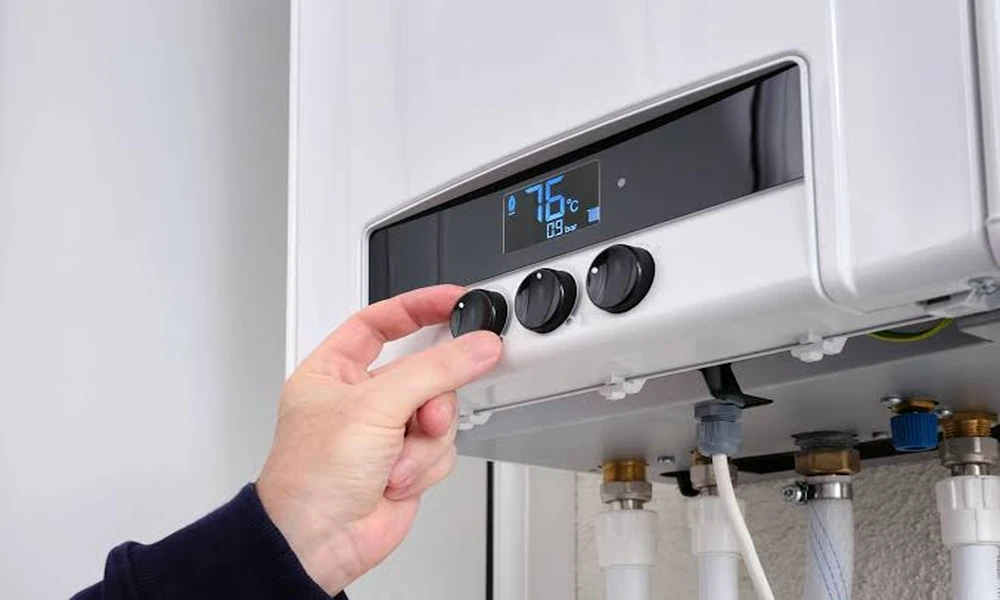
Most of the parts inside a tank water heater cost less than dinner out. A heating element, a thermostat, a thermocouple or a valve can each be swapped in under an hour, and the tank around them can keep going for years afterward. That’s something a lot of people forget when the shower suddenly runs cold and the first thought is the price of a whole new unit.
It doesn’t mean every heater deserves another chance. Some are worn out, and pouring money into them only delays the inevitable. The real skill is telling a heater with a cheap, fixable fault apart from one that’s quietly failing from the inside.
For homeowners weighing that choice, water heater repair in Madison is one of the services Anglin Plumbing Service offers to homes and businesses in the area, along with full replacements, leak detection and emergency calls. Their technicians run into both kinds of heater all the time, and the clues that separate them are often plain to spot once you know where to look.
Listening, Sniffing and Watching for Trouble
A water heater talks in its own way. Most problems show up first as a sound, a smell or a change in the water, and each one points toward a different cause.
Rumbling and popping from the tank
This is usually sediment. Minerals in the water settle at the bottom of the tank over time and form a crusty layer. As the burner or lower element heats, water trapped under that layer boils in small bursts, which makes the popping. A light buildup can often be flushed out. A thick, hardened layer makes the heater work harder, wastes energy, and in gas units can overheat the steel at the bottom of the tank.
Hot water that smells like rotten eggs
That smell rarely means a gas leak when it only comes from the hot taps. It usually comes from bacteria in the water reacting with the anode rod, a metal rod inside the tank that corrodes on purpose to protect the steel. Swapping a magnesium rod for an aluminum and zinc version often fixes it, sometimes along with a tank disinfection. If the smell is gas near the heater itself, that’s a different matter, and the gas supply and the home need attention right away.
Rust colored water
If rusty water comes only from the hot side, the anode rod may be used up and the tank lining may be starting to corrode. Catching this early matters. A fresh anode rod can add years to a tank that’s still sound. Once the steel itself is rusting through, there’s no repair that brings it back.
Water that never quite gets hot
On electric heaters, lukewarm water often means a failed lower element or thermostat. Both are fairly routine replacements. A broken dip tube produces a similar complaint. That plastic tube is supposed to carry incoming cold water to the bottom of the tank, and when it cracks, cold water mixes with hot water near the top. Small bits of white plastic caught in faucet aerators are a strong hint. On gas models, a weak flame or a pilot that won’t stay lit often comes down to a worn thermocouple or a dirty burner assembly.
The Part Most Homeowners Never Check
Every tank water heater has a temperature and pressure relief valve, usually on the side or top with a pipe running down toward the floor. It’s a safety device, and it opens if pressure or temperature inside the tank climbs too high.
A valve that drips now and then is easy to ignore, but it’s worth paying attention to. Sometimes the valve itself is worn. More often, especially in homes with a pressure reducing valve or a backflow device at the meter, heated water has nowhere to expand. A small thermal expansion tank on the cold line usually solves this. Capping or plugging a dripping relief valve is never the answer, since it removes the one safeguard that keeps an overheated tank from becoming dangerous.
Doing the Math Before Saying Yes
Once the problem is identified, the decision usually comes down to a few practical factors.
- Age of the unit. Tank heaters commonly last somewhere around eight to twelve years. The manufacture date is usually coded into the serial number on the label, and a quick search of the brand’s format will decode it.
- Where the fault sits. Problems with parts attached to the tank are generally repairable. A leak coming from the tank body itself is not, because the steel has failed.
- Cost against value. A common rule of thumb says that if a repair approaches half the cost of a new heater on a unit already near the end of its life, replacing usually makes more sense.
- History of the heater. A tank that has needed several repairs in a short span is often telling you something about its overall condition.
A ten year old heater with a dead thermocouple might still be worth fixing for a family planning to replace it on their own schedule next year. A three year old heater with a leaking tank body, on the other hand, may be a warranty conversation instead of a repair bill.
Tankless Units Have Their Own Quirks
Tankless water heaters fail differently. Instead of sediment collecting in a tank, mineral scale builds up inside the heat exchanger. The result is fluctuating temperatures, error codes or the unit shutting down mid shower. Descaling with a flush kit and a mild acid solution, typically once a year depending on water hardness, clears most of it.
Other common tankless repairs include clogged inlet filters, failing flow sensors and ignition problems. Venting issues show up too, and those deserve professional attention because a gas appliance that can’t exhaust properly is a carbon monoxide risk.
Keeping a Repaired Heater Healthy
A heater that has just been repaired will last longer with a little routine care. The University of Tennessee Extension has a short guide on water heater energy savings that covers the basics of getting more life and efficiency out of the equipment you already own.
In practice, that means draining a few gallons from the tank every year or so to keep sediment from building up, and having the anode rod checked every few years, more often if the water is hard. Setting the thermostat around 120 degrees balances comfort, energy cost and scald risk better than the higher settings many heaters ship with. It also helps to keep the area around the heater clear, especially with gas models, where stored paint cans, cleaners or laundry piled nearby can block airflow or create a fire hazard.
None of this takes much time, and it changes the answer to the question in the title. A heater that gets attention between problems tends to stay in the fixable category much longer, and when the day comes that it truly needs replacing, the decision can be made calmly instead of in a cold shower on a busy morning.