
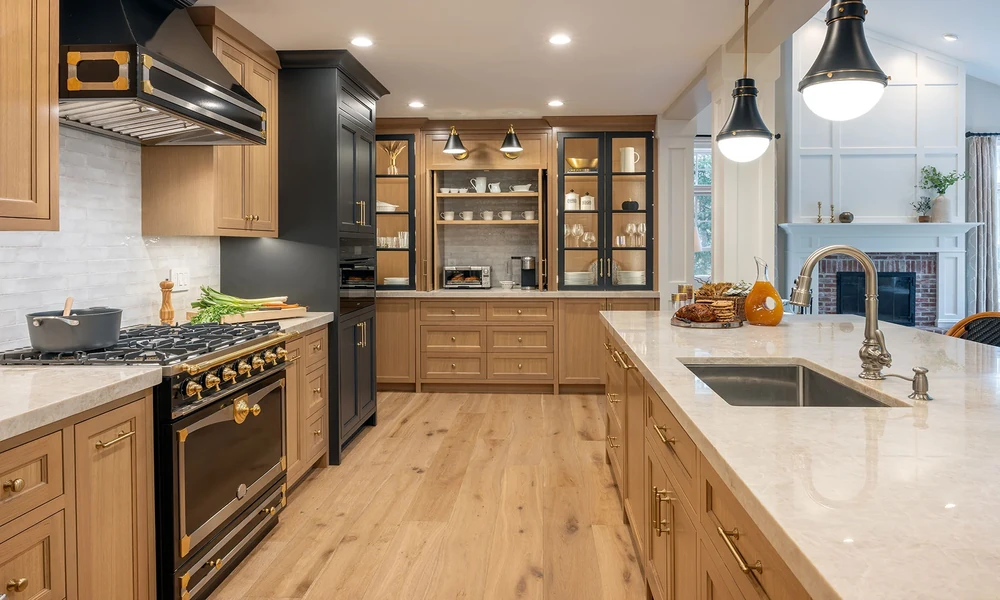
Planning a bathroom remodel often starts with excitement-but it quickly turns into questions. How much should you budget? Should you change the layout? Is it worth replacing plumbing that’s still working? And how do you know you’re making the right decisions before demolition begins?
This FAQ answers the questions homeowners ask most often before starting a bathroom renovation. The goal isn’t to overwhelm you with technical details, but to help you make informed choices that improve both your bathroom and your overall remodeling experience.
FAQ
Q: What’s the first thing I should do before planning a bathroom remodel?
A:
Start by identifying what isn’t working.
Don’t think about tile or paint yet. Instead, pay attention to your daily routine for a few days.
Ask yourself:
- Is there enough storage?
- Does the room feel cramped?
- Is the lighting adequate?
- Does moisture linger after showers?
- Is cleaning more difficult than it should be?
The answers become the foundation of your remodeling plan.
Quick Summary
Solve daily frustrations before choosing finishes.
Q: Should I keep the existing layout?
A:
If the current layout works well, keeping plumbing in the same location can simplify construction and reduce costs.
However, if the bathroom feels awkward to use, changing the layout may provide greater long-term value than simply replacing materials.
A better floor plan can improve storage, circulation, accessibility, and comfort every single day.
Q: How do I choose the right bathroom remodel contractor?
A:
Choosing a bathroom remodel contractor is about much more than comparing prices.
Look for someone who asks thoughtful questions about your goals instead of immediately recommending products.
A qualified contractor should explain:
- The expected project timeline
- Potential structural or plumbing concerns
- What’s included in the proposal
- How unexpected issues will be handled
- Warranty information
Communication is often just as important as craftsmanship.
Quick Summary
Choose experience, transparency, and problem-solving-not simply the lowest estimate.
Q: Which upgrades usually provide the greatest long-term value?
A:
The most valuable improvements are often the least visible.
Examples include:
- Waterproofing behind tile
- Proper ventilation
- High-quality plumbing fixtures
- Durable cabinetry
- Efficient lighting
- Practical storage
These upgrades continue improving your bathroom long after decorative trends have changed.
Q: Is it worth replacing plumbing if there aren’t any leaks?
A:
That depends on the age and condition of the existing system.
If walls are already being opened and the plumbing is nearing the end of its expected lifespan, replacement may prevent future repairs that would otherwise require removing newly installed finishes.
Discuss this with your contractor before construction begins.
Replacing hidden components during remodeling is often less disruptive than repairing them later.
Q: How can I make a small bathroom feel larger?
A:
You don’t always need more square footage.
Simple design choices can make a noticeable difference.
Consider:
- Large-format tile
- Floating vanities
- Glass shower enclosures
- Recessed storage niches
- Layered lighting
- Large mirrors
Reducing visual clutter often makes a room feel more spacious than physically enlarging it.
Quick Summary
Create openness through design rather than demolition whenever possible.
Q: How can I keep remodeling costs under control?
A:
Begin with a detailed scope of work.
Avoid changing materials or layouts after construction starts.
Finalize your selections before ordering products.
Maintain a contingency budget for hidden conditions behind walls or beneath flooring.
The more decisions you make before demolition, the fewer expensive surprises you’ll encounter later.
Q: Where can I find reliable remodeling ideas before meeting with professionals?
A:
Many homeowners begin by reading a Home Remodels resource to understand planning strategies, layout ideas, material options, and renovation trends.
Online research can help you become familiar with terminology and common design solutions, making conversations with designers and contractors more productive.
Use inspiration as a starting point-not as a complete remodeling plan.
Quick Summary
Research helps you ask better questions, but your home’s design should always reflect its unique layout, condition, and the way you live.
Conclusion
A successful bathroom remodel isn’t the result of one perfect material or one expensive upgrade. It’s the result of asking the right questions before construction begins.
When you focus on functionality, quality workmanship, thoughtful planning, and long-term performance, your renovation becomes more than a visual improvement. It becomes an investment in the comfort, efficiency, and enjoyment of your home for years to come.