


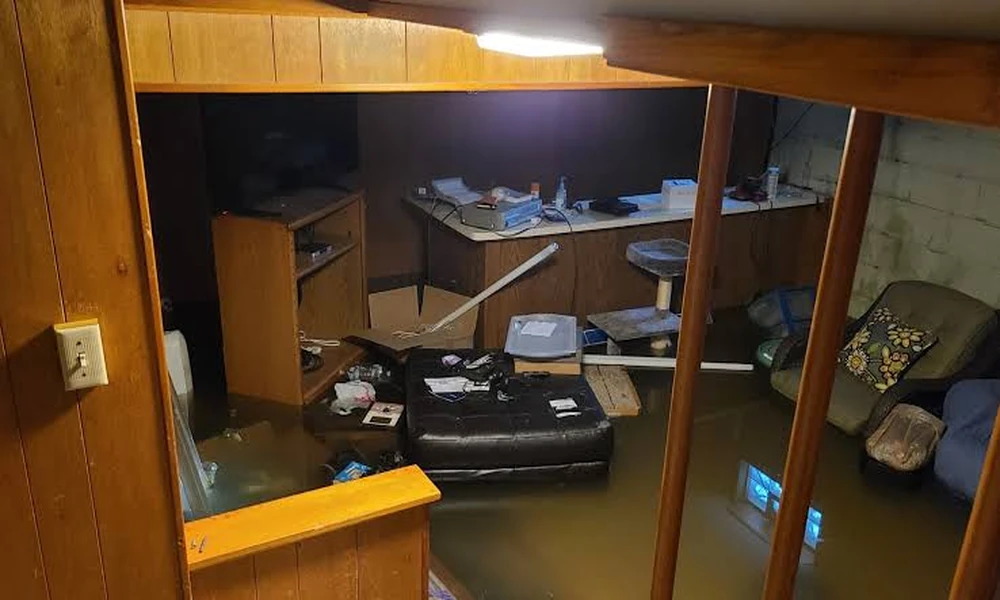
Drive through almost any Oakland County subdivision the week after a hard summer storm and you’ll see the same thing at the curb. Rolled carpet, swollen bookshelves, cardboard boxes gone soft, a recliner that looked fine two days ago. Some of that pile had to go. A surprising amount of it didn’t, and some of what stayed inside should have been tossed.
The hard part of a basement flood isn’t the pumping. It’s the sorting. Homeowners around Rochester, Rochester Hills and Troy who face more than a weekend with a shop vac often call Inca Restoration & Services LLC, a locally owned team that answers day or night and handles everything from sewage cleanup to recovering damaged belongings. Whether you hire help or not, the decisions below are the ones every flooded basement forces.
The easiest way to work through them is the way you’d actually experience the room, starting at the bottom of the stairs.
Before You Touch Anything, Read the Water
Every keep or toss decision depends on what kind of water got in. Restoration pros use three categories, and they matter more than depth.
- Clean water comes from a burst supply line or a failed water heater. It poses the least risk at first.
- Gray water carries some contamination, such as a washing machine or dishwasher discharge, or a sump overflow.
- Black water includes sewage backups and groundwater that seeped through foundation walls. Treat it as full of bacteria.
Here’s the catch many people miss. Clean water doesn’t stay clean. After roughly 48 to 72 hours sitting in a warm basement, it can degrade toward the gray or black category as bacteria multiply in carpet and drywall. So a slow response can turn a salvageable situation into a gutting.
Also, cut power to the basement at the breaker before wading in, but only if you can reach the panel without standing in water. If you can’t, call the utility.
The Floor Beneath Your Feet
Carpet pad is almost always a loss. It’s a sponge by design and nearly impossible to dry fully in place.
The carpet itself depends on the water. A clean water leak caught within a day or two can often be lifted, dried and reinstalled with new pad. With sewage involved, carpet and pad both go, no debate.
Vinyl plank and laminate need a closer look. Laminate has a fiberboard core that swells and won’t recover. Vinyl plank often survives, but water trapped underneath against the concrete will breed mold unless the boards come up so the slab can dry.
Let the Waterline Guide the Cuts
Finished basements are common across Oakland County, and drywall is where most people either cut too little or tear out too much.
Look for the highest point where water or wicking reached. Crews typically make a clean “flood cut” 12 to 24 inches above that line, often aligning with a 2 or 4 foot mark so the patch uses standard sheet widths. Everything below comes out, including wet fiberglass insulation, which holds moisture against framing for weeks.
Studs themselves are usually fine. Once exposed, they can be cleaned, treated and dried with fans and dehumidifiers, then checked with a moisture meter before anyone closes the wall back up. Skipping that reading is how basements end up smelling musty a year later.
Furniture and the Boxes You Meant to Unpack
Storage is where the sorting gets emotional, because basements hold years of “we’ll deal with it later.”
- Solid wood furniture can often be saved. Clean it, then let it dry slowly away from direct heat, which causes cracking and warping.
- Particleboard and MDF pieces swell and crumble. Most can’t be rescued.
- Upholstered furniture and mattresses that sat in gray or black water belong at the curb.
- Hard plastic bins and toys can be scrubbed and disinfected. Stuffed toys exposed to sewage cannot.
- Commercially canned food in undamaged cans can be kept if you remove labels, wash and sanitize the cans, and relabel them. Home canned jars should be thrown out.
Cardboard boxes are the silent culprit. Soaked cardboard wicks water upward into everything inside, so empty them first, even before moving furniture.
Photos, Papers and Things Money Can’t Replace
Personal items feel impossible to sort, but they’re often more recoverable than people expect.
Wet photographs should be separated before they dry and fuse together. Rinse gently in clean cold water and lay them face up on paper towels. If you can’t deal with them within a couple of days, seal them in freezer bags and freeze them. Freezing stops mold and buys time.
Books, tax files and legal papers can be frozen the same way. Professional freeze drying can later pull moisture out with less warping than air drying. Heirloom textiles, artwork and old letters are worth setting aside for a specialist rather than attempting at home.
The Furnace, Water Heater and Anything With a Plug
This is the part where “it seems fine” becomes dangerous. Any gas appliance whose controls sat underwater needs inspection, and manufacturers generally recommend replacing gas control valves that were submerged. Don’t relight a pilot yourself.
The same caution applies to the washer, dryer, freezer and electronics. Don’t power them on to test them. Outlets and wiring that got wet should be checked by an electrician before the breaker goes back on.
Paperwork Before the Dumpster
Before anything leaves the house, photograph and video it, with a short note on what it was and roughly when you bought it. Adjusters often want to see damaged items or at least clear evidence of them.
Two Michigan specifics are worth knowing. Standard homeowners policies usually exclude sewer and drain backup unless you added that coverage separately, so check before assuming. And if you believe a municipal sewer system caused the backup, Michigan law gives you a short window, generally 45 days from discovering the damage, to file written notice with the responsible agency. Miss it and the claim may be gone regardless of fault.
A Basement That Stays Dry Next Time
Once the sorting is done, it’s worth thinking about what put the water there. A battery backup for the sump pump, a backwater valve on the main sewer line, and gutters that discharge well away from the foundation handle most repeat problems in this area’s heavy clay soil.
Store what’s left in plastic bins on shelves off the floor. That one habit turns the next storm from a curbside pile into a mop and an afternoon.