
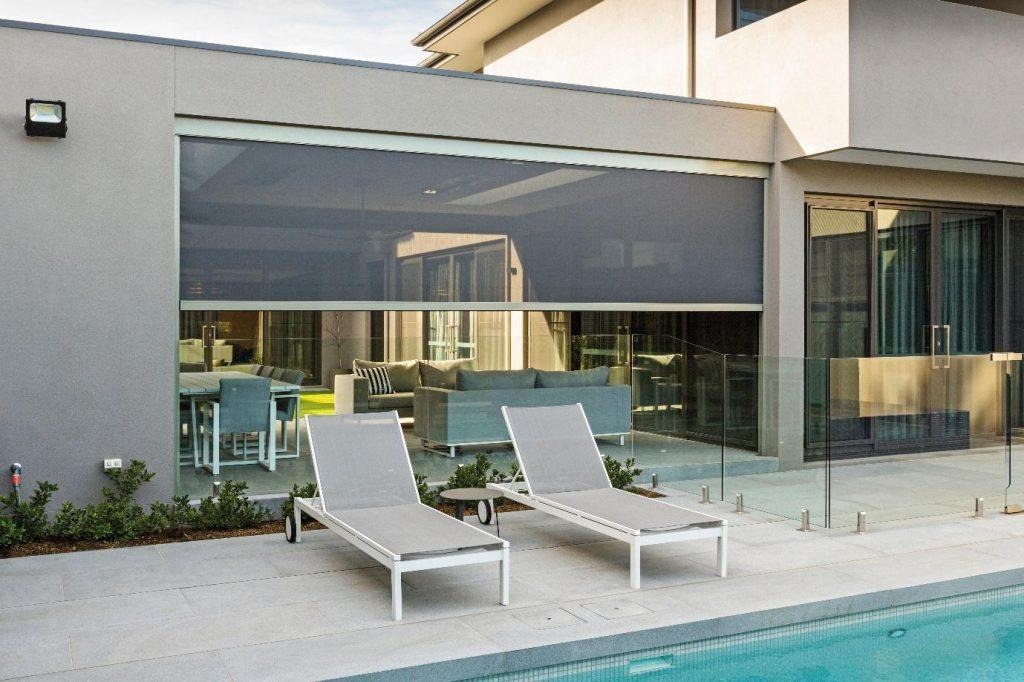
The ideal shades are a topic that many discriminating homeowners ponder for a long time. Blinds outside the house, however, don’t get nearly as much attention.
Nevertheless, the appropriate weather-resistant exterior coverings could better shield your house. And windows from frequent severe meteorological conditions.
The appropriate kind of weather-resistant coverings may make all the difference. Especially when choosing blinds for indoor and outdoor areas.
These are subject to a variety of meteorological conditions. High-quality covers are crucial for comfort and lifespan. To protect against extreme summer heat and withstand windy, rainy winters.
Weather-Resistant Shades: What Are They?
These are made to endure a variety of external factors. This includes sunlight, rain, humidity, and temperature swings. These are made of sturdy materials.
The outdoor shades frequently have particular finishes. Thus, offers practical weather protection without sacrificing style.
Selecting treatments with weather-resistant features is a sensible investment for both indoor and outdoor spaces. Especially for people who live in regions with extreme meteorological conditions.
Why is choosing the right shade for your spaces outside the house essential?
- Stop the Glare
The ability of these coverings and shutters to filter light is their greatest advantage. Your spaces outside the house are more comfortable when there is less glare. Exterior shades can fill in for lighter inside blinds that might not be able to block out enough light.
- Control the Temperature
Did you realize that the proper outside drapes or blinds may control the temperature inside? In both the summer and the winter, outside blinds assist in insulating your house. That’s by blocking UV radiation.
- Safeguard Window Panels
Sticks, rocks, and various debris might be thrown at your windows by severe weather. Delicate glass panes are shielded from these blows by thick fabric blinds on the outside.
- Greater Confidentiality
The extra seclusion that blackout shades provide in your house is the last advantage that you shouldn’t overlook. Why not accomplish it from the outside if you want to entirely obscure people’s view of your inner sanctuary?
Tips
- Evaluate Your Local Climate: Meteorological conditions vary by location. The blinds required in windy, storm-prone environments may not be the same.
Especially with those that are appropriate for the high humidity and temperatures of tropical countries. You should always check from https://weather-and-climate.com/average-monthly-min-max-Temperature,houston,United-States-of-America to be aware.
- Budget: It’s critical to strike a balance between price and quality. Certain materials may cost more up front, yet pay off in terms of durability and lifespan.
- Installation Location: The choice of material and upkeep needs differ. It will depend on whether the shades will be utilized outdoors, indoors, or in a partially shaded space.
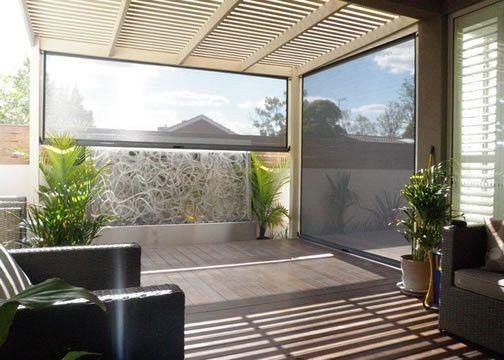
How to Choose
- Material
Experts concur that acrylic cloth is the ideal material for shades. It blends the strength and resilience needed for fixtures with the adaptability and beauty of woven textiles.
- VC or Vinyl
These are common choices for settings outside the house. They can tolerate extended exposure to direct sunshine and are waterproof. They also have a high level of moisture resistance.
Vinyl is well-known for being affordable and long-lasting. This makes it perfect for balconies, patios, and other spaces subject to frequent climate changes.
- Acrylic
Such textiles are great for sun protection since they are quick-dry, water-repellent, and have a high UV resistance. Furthermore, these blinds come in a variety of hues and designs. Thus, allowing you design freedom without compromising practicality.
- Polyester
Coverings made of polyester are renowned for their strength, capacity to dry quickly, and resistance to flames. Although polyester can be used both indoors and outdoors. It is especially useful in regions with variable humidity and temperature.
- Marine-Grade Fabric
This cloth is made especially for harsh conditions and provides exceptional resilience and durability. They are more resilient to wind, water, and salt damage than other materials. These blinds are especially helpful in coastal or storm-prone areas.
- Design
The design you select is a crucial aspect. Every design has different temperature regulation and light penetration. Cellular or honeycomb, for instance, provides superior insulation compared to flat ones.
Therefore, when choosing colors, take into account the intended use of each design type. This includes the pattern and color.
In general, more neutral hues work better for outdoor coverings. However, if you want to highlight particular details, tones, or features in your space outside the house. Know that popular trends do not need to restrict your options.
- UV Protection
A quality outdoor treatment’s opacity percentage rating indicates how much light it blocks. The sun screens let in less light when this proportion is lower. Remember that more transparent blinds provide more privacy and UV control – read more about the UV index in Houston.
- Automation
- Automated Rollers: The treatments are opened and closed by a motor.
- Wise choices: Smart types that you can link to and operate with a mobile phone. Or other comparable devices are produced by modern manufacturers.
- With Motors: These are costlier, but they offer protection, privacy, and convenience all at once. For a more streamlined appearance, you can also purchase protectors for any motorized components.