


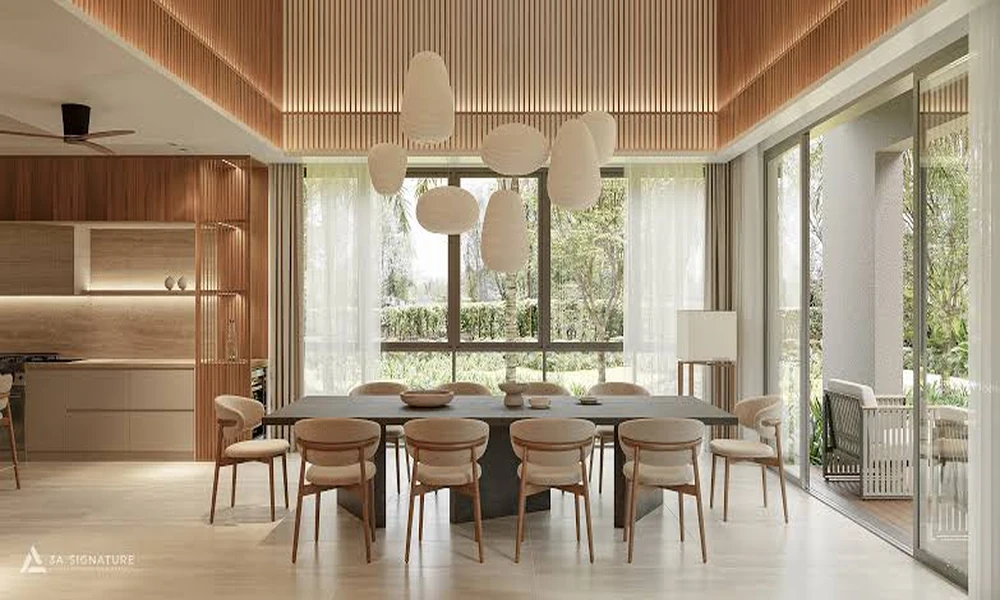
Villa interiors can age faster than their walls. Salt air, humidity and harsh sun fade surfaces quietly. Swapping one tired sofa rarely solves that deeper problem. Worn rooms also shrink booking appeal and resale potential. A skilled interior designer in samui studies the whole space first. From there, bespoke pieces replace generic stock that never fit. Climate-ready materials, layered lighting and smart budgets all matter. So does knowing when a refresh becomes urgent.
Dated Villa Interiors Reveal Themselves Early
Faded upholstery is an obvious clue, not the only one. Built-in shelving sized for old television sets now feels awkward. Brass fittings dulled by sea air signal neglect. Even layouts can date a home. Closed kitchens, for instance, clash with modern entertaining habits. Spotting such cues early keeps renovation scope sensible.
Why Does Off-The-Shelf Furniture Fall Short?
Mass-produced pieces target average rooms, not specific villas.
- Standard sofas can block sea-facing window views.
- Veneered cabinets swell and peel in humidity.
- Generic dining tables ignore actual guest numbers.
- Catalogue pieces repeat across neighboring rental properties.
Off-the-shelf sets also wear out together, forcing costly bulk replacement. Custom joinery, by contrast, is measured to the millimeter.
Tropical Materials That Outlast Humid Seasons
Material choice decides whether a refresh lasts three years or fifteen. Teak and reclaimed hardwood resist moisture far better than particleboard. Woven rattan breathes, so mould struggles to settle. Rather than polished marble, honed stone hides salt spotting. An experienced interior designer in samui pairs finishes with exposure. Terrace furniture and bathroom tiles receive different specifications.
Can Lighting Alone Modernize Tired Rooms?
Partly, yes. Lighting reshapes mood faster than any paint colour. Older villas lean on single ceiling fixtures that flatten texture. Warm wall washers lift timber grain at dusk. Concealed strips under floating vanities add depth. Dimmable circuits let one lounge shift from breakfast brightness to evening calm. Fittings stay modest; placement does the heavy lifting.
Where Should Renovation Budgets Go First?
Spending order shapes results more than spending size. Sequence work this way:
- Upgrade lighting circuits before decor.
- Rebuild storage that clutters rooms.
- Repaint with breathable mineral finishes.
- Replace worn upholstery and cushions.
- Save art purchases for last.
Decor bought too early gets damaged during later works.
Custom Teak Now Saves Repeat Refits
Bespoke work looks indulgent on paper. It behaves more like maintenance planning. Picture a veneered cabinet replaced every few monsoons. Over a decade, one well-built teak piece costs less. Guests notice freshness, while owners notice fewer repair calls. Seen that way, tailored interiors stop being a style statement. Instead, the costly refit cycle disappears.
FAQs
How long does a bespoke villa interior project take?
A mid-sized villa refresh runs roughly two to four months. Custom joinery lead times shape that schedule more than site work.
Can existing furniture stay in a bespoke redesign?
Yes, sound pieces with good timber are worth refinishing or reupholstering. New elements are then built around those keepers for a cohesive look.
Does a bespoke interior improve rental appeal?
Distinct, well-photographed rooms help listings stand apart from catalogue-furnished competitors. Climate-suited furniture also survives heavy guest turnover better.
Can a villa stay occupied during a refresh?
Phased, room-by-room work keeps part of the villa usable throughout. Noisy joinery is built off-site, limiting dust and disruption.