


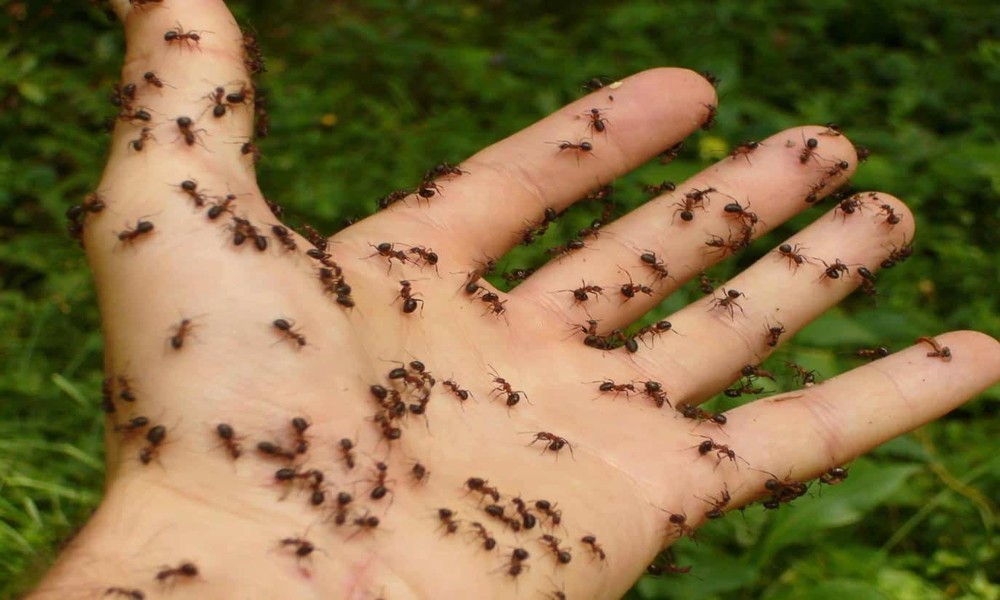
Elmhurst, nestled in DuPage County, is close to Salt Creek and Yorkfield Creek, which create consistent moisture that further causes pest problems. Many neighborhoods here were developed before the 1980s, which means there are aging foundations, older basements, and structural penetrations that offer entry for many species. Older properties may also require maintenance such as double pane window repair when aging seals or window components begin to deteriorate. Like other parts of DuPage County, the soil in Elmhurst is rich in clay, so water retention after rain or snowmelt is also a factor in persisting infestations.
Although homeowners often try store sprays, gels, and baits, DIY alone doesn’t help. You need to ask a locally trusted service in Elmhurst, such as Pointe Pest Control, for ongoing support. The Pointe team includes experienced technicians who have been handling infestations across the suburb for years and understand specific neighborhood-centric problems. Below is an overview of why your home has recurring infestations.
Not fixing structural entry points
If your home is more than 30 years old, you should be concerned about entry points. Aging foundations and mortar deterioration create gaps that allow pests to gain ongoing access. Many properties also have detached garages, which work as staging areas for different species. So, should you fix these access points? Yes, but with caution. If pests are inside and you seal the gaps, it would only worsen the problems inside your property. The best approach is to let technicians confirm whether there are issues that must be fixed before exclusion measures.
Moisture retention
Elmhurst’s clay soil is known to retain moisture after rain, which creates the ideal environment for many species, including termites. Also, homeowners often fail to clear excessive vegetation, and shaded yards only increase the soil drying time. Properties that have irrigation systems have persistent moisture near the foundation, while mulch beds also trap warmth and humidity. Residents also don’t pay enough attention to indoor leaks and dampness, which are responsible for insect growth.
Seasonal temperature changes
Changing seasons also impact pest cycles and are responsible for ongoing problems. Rain and snowmelt in spring are why insects move indoors seeking more stable conditions. This is also when you may find termite swarms near windows, and if you do, you can assume that colonies are active. Summer is often humid, which means mosquito breeding populations continue to grow. As fall brings cooler days, rodents and other overwintering pests start looking for nesting spots. While pest cycles are predictable to an extent, there are also overlapping seasons.
DIY treatments don’t break cycles
Regular supermarket products for pest control are great for killing exposed insects, but none of them can fix hidden colonies and nests. Baits are ineffective until one finds the source of origin. Also, homeowners often don’t know how to distinguish between species. It is easy to confuse termites and carpenter ants, and that kind of misidentification also leads to incorrect treatment. Will DIY offer relief? Yes, to an extent, but don’t expect results to last.
Homeowners’ habits make things worse
One of the key reasons why many Elmhurst homes have regular pest issues is the lack of sanitation. Many residents don’t think much when disposing of waste and fail to keep food sources (including pet food) sealed. Excessive clutter inside the house ensures hiding zones for insects and rodents alike, while a lack of yard maintenance provides transition routes. Another mistake is to avoid seeking help on time. People often brush off pest problems as temporary or ignore the early signs, and as a result, they have to spend much more on treatments, repairs, and remediation.
Get your home checked by a professional pest control service in Elmhurst today for a quick review. Once the technicians are done with the initial assessment, ask questions about findings and discuss the best treatment options.