


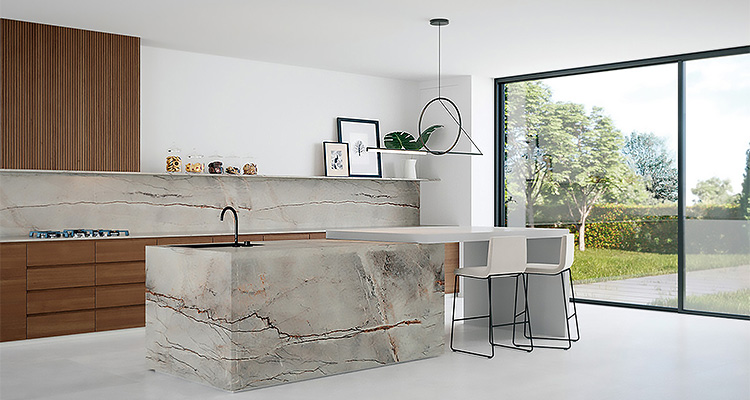
Sustainability is no longer just a buzzword in home renovation circles; it is a decisive factor driving kitchen surface choices across North America. As homeowners in Montreal and beyond rethink what belongs at the heart of their homes, eco-friendly quartz countertops are quickly becoming the favorite for those who want beauty, performance, and a conscience-clear upgrade.
What Is Eco-Friendly Quartz and Why Is It Gaining Popularity?
Eco-friendly quartz is engineered stone made primarily from natural quartz minerals, combined with minimal resin and pigments through a tightly controlled manufacturing process. The result? A surface that mimics natural stone while reducing environmental impact. Traditional countertop materials like granite and laminate often involve extensive mining or chemical treatments, but eco-friendly quartz is designed with low carbon emissions and sustainable practices in mind.
The environmental benefits are compelling. Unlike granite, which is always quarried (often overseas), many leading quartz brands use recycled materials and source their quartz from responsible suppliers. The manufacturing process minimizes water waste and energy consumption, appealing to homeowners who want to reduce their kitchen’s carbon footprint.
Shifting consumer attitudes toward green living, coupled with regulatory incentives in cities like Montreal, are fueling demand. People are researching ingredients, certifications, and origins before making their kitchen investment. As a result, the popularity of quartz surfaces with eco-friendly credentials has skyrocketed, especially among younger homeowners and those planning long-term stays.
How Does Eco-Friendly Quartz Compare to Granite and Other Countertop Materials?
Durability is a cornerstone in any countertop decision. Quartz is celebrated for its non-porous nature and resistance to stains, scratches, and acids, a clear advantage over porous granite or marble, which require regular sealing. Maintenance is refreshingly simple: a basic wipe-down with soap and water keeps quartz surfaces looking new, while granite can demand special cleaners and more frequent upkeep.
Aesthetically, eco-friendly quartz offers remarkable flexibility. Modern engineering delivers a stunning array of colors and patterns that can mimic marble’s drama or granite’s earthy tones, all while avoiding the inconsistencies and imperfections of natural stone slabs. This versatility allows homeowners to match any kitchen style, from minimalist to traditional.
Cost remains a key factor. While initial installation expenses for quartz are similar to high-end granite, the long-term value is often higher due to reduced maintenance costs, fewer repairs, and superior longevity.
| Feature | Eco-Friendly Quartz | Granite | Laminate |
|——————–|——————–|—————–|—————–|
| Durability | Very high | High | Low |
| Maintenance | Low | Medium-High | Medium |
| Eco Credentials | Excellent | Low | Low |
| Aesthetic Variety | Very high | Medium-High | High |
| Upfront Cost | Medium-High | Medium-High | Low |
What Makes Eco-Friendly Quartz a Sustainable Choice?
Sustainability is built into every stage of premium quartz production. Many manufacturers employ closed-loop water recycling and source their quartz from low-impact mines. These practices significantly reduce the carbon footprint compared to traditional stone quarrying, which typically uses more water and fossil fuels.
Beyond production, eco-friendly quartz is free from toxic binders and heavy metals often found in other composite surfaces. It is also non-porous, resisting bacteria and mold growth, which makes it safer for food preparation and healthier for homes.
Durability and chemical resistance are not just about convenience; they are central to sustainability. A countertop that lasts decades with minimal intervention generates less waste than lower-quality materials destined for early replacement.
Where Is Eco-Friendly Quartz Sourced and Manufactured?
Quartz is quarried in regions such as Brazil, India, and parts of Europe, but the eco-friendly category largely depends on regional manufacturing standards and responsible sourcing. Montreal and other Canadian cities are seeing a surge in suppliers that partner with global leaders, ensuring access to high-quality, sustainable options.
Certification matters for discerning buyers. Look for quartz that comes with reputable environmental labels (such as GREENGUARD or NSF) and check for transparency in supply chains. Local showrooms, like those specializing in Kitchen Wholesalers countertops, often provide detailed sourcing information and a broad array of certified products.
How to Choose the Right Eco-Friendly Quartz for Your Kitchen?
Quality should always come first. Reputable suppliers will offer various grades, with higher categories reflecting more consistent coloration, fewer resin fillers, and better durability. Color trends range from classic whites and veined patterns to bold, contemporary tones, find what complements your kitchen’s style and lighting.
Pairing quartz with cabinetry or flooring is straightforward, thanks to the vast design flexibility. Before you commit, ask your supplier for sample slabs to view in your actual kitchen lighting.
Key questions to ask include: What is the quartz’s recycled content percentage? How does the manufacturer handle environmental compliance? What warranties are included? Trusted showrooms in Montreal can walk you through these queries and offer detailed project quotes.
What Are the Installation and Maintenance Requirements?
Professional installation is strongly recommended for quartz surfaces. Precision measurements and seamless fitting are crucial for both function and longevity. After installation, daily care is simple, avoid harsh abrasives and stick to mild cleansers.
If small chips or surface stains occur, most can be handled with specialty repair kits. For persistent issues, professional refinishing may be available through your countertop supplier. With regular care, your eco-friendly quartz will retain its luster for decades.
How Does Investing in Eco-Friendly Quartz Impact Home Value?
Buyers are increasingly prioritizing sustainable upgrades during home searches. A kitchen showcasing eco-friendly quartz instantly signals modernity, durability, and an investment in environmental responsibility. This can translate into higher resale values and shorter listing times.
Some municipalities offer rebates or incentives for sustainable renovations, further boosting the financial appeal. Case studies reveal that homes with sustainable kitchen surfaces often outperform comparable listings lacking eco-friendly features.
Where to Buy Eco-Friendly Quartz in Montreal and Surrounding Areas?
Montreal boasts a strong network of reputable showrooms and suppliers specializing in sustainable surfaces. When considering whether to shop online or in person, keep in mind that seeing slabs firsthand is invaluable for assessing color, texture, and quality grades.
Scheduling a consultation is straightforward, most showrooms, including those offering Kitchen Wholesalers countertops, can arrange appointments for detailed quotes and personalized recommendations. This ensures you get a surface tailored to your taste, space, and sustainability goals.
Eco-friendly quartz is not just a kitchen trend. It is a statement about your commitment to quality living and a better planet, qualities that will last long after the renovation dust settles.