


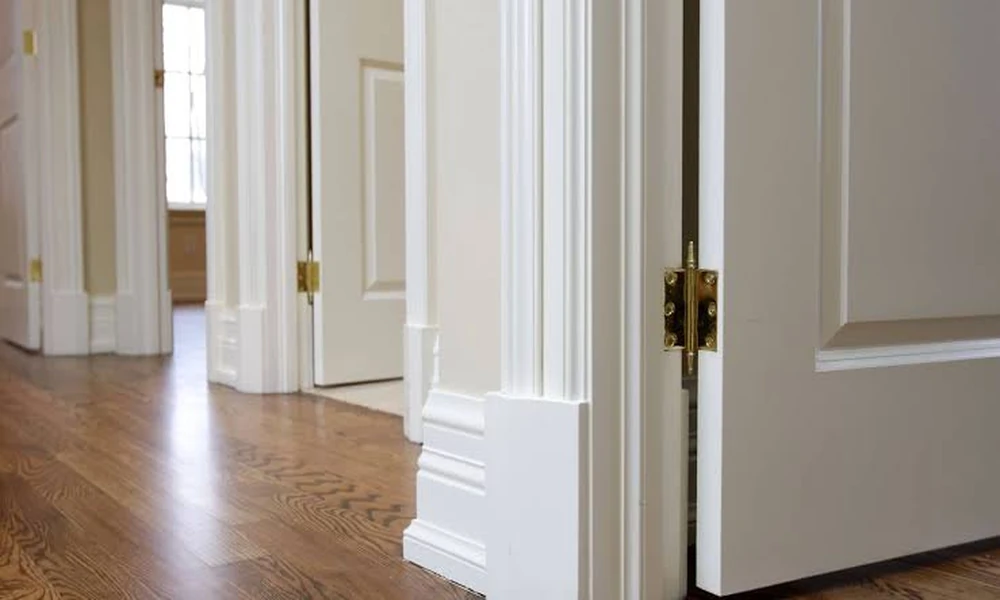
A bedroom door that drags on its frame in August and swings freely in January is telling you something about the house’s moisture. Most crawl space problems get noticed on the wrong floor. They show up as a smell in the hall closet, a hardwood board lifting at its edges, or a power bill that climbs without a clear reason. In Georgia, the conditions that create those symptoms are everywhere: dense clay soil that holds water against foundations, heavy thunderstorms that dump an inch of rain in an hour, and summer humidity that lingers for months. Older ranch and bungalow homes built on raised foundations, many with vented crawl spaces and aging wood piers, feel all three at once.
The difficulty is that one symptom can have several causes. A sagging floor might come from rotted framing, from piers that were spaced too far apart when the house was built, or from a footing that has settled into soft clay. Each of those calls for a different repair, and choosing the wrong one wastes money while the real problem keeps working. That is why the value of a free inspection in Atlanta or anywhere else depends entirely on the method behind it. A walk around the yard with a flashlight is not a diagnosis. Measured readings, documented findings and a clear line from cause to repair are.
When a diagnosis crosses from moisture into structure, it helps to have foundation repairs, floor support and sagging floor repairs, and crack repairs handled by the same team. Southeast Crawlspace Consulting covers all three, along with the drainage solutions that usually address the water behind the damage in the first place. Before recommending any work, its crew documents the crawl space with 3D Lidar rendering, so homeowners can see the pier spacing, the wet corner or the cracked wall for themselves. If your floors, doors or utility bills have started acting strangely, request a free inspection in Atlanta and get those findings in hand before you commit to any repair.
What a Thorough Inspection Covers
A good inspection starts outside. The inspector looks at grading, downspout discharge points, gutter overflow stains and the soil line against the foundation, because water that pools at the perimeter in a storm usually ends up inside. Underneath the house, the work is about measuring rather than looking. A hygrometer reading of the crawl space air shows the conditions right now, while a pin meter pushed into a joist shows what the wood has been absorbing for weeks. That second number is more revealing.
Inspectors also check the vapor barrier for gaps, tears and loose seams, open vents and the condition of any sump pump or perimeter drain. Framing gets probed for softness along sill plates and girders, and piers are checked for spacing, shims and settlement. Wall cracks are measured and logged, since their direction and width say more than their presence. Ductwork, insulation and signs of pests round out the survey. The University of Georgia Cooperative Extension’s mold and moisture checklist advises finding and eliminating the moisture source and then drying the affected area within 24 to 48 hours. That sequence is exactly why diagnosis has to come before any cleanup or repair.
Matching Symptoms to Causes and Fixes
The table below pairs the symptoms homeowners report most often with the causes behind them and what an inspection examines to tell them apart.
| Symptom | Likely Cause | What an Inspection Checks | Typical Fix |
|---|---|---|---|
| Musty odor indoors | Mold on joists, wet insulation or standing water | Wood moisture readings, visible growth, insulation condition, low spots | Cleanout, encapsulation and dehumidification |
| Cupped hardwood | Board undersides absorbing crawl space humidity | Subfloor moisture versus surface moisture, vent status, barrier coverage | Vapor barrier, humidity and moisture control |
| Sticking doors and windows | Seasonal swelling or structural settlement | Whether sticking is seasonal, drywall cracks at corners, pier and footing level | Moisture control or foundation repair |
| Sagging or bouncy floors | Weak or wet framing, wide pier spacing, settled footings | Span lengths, rot, shims, pier condition | Floor support jacks on engineered footings, framing repair |
| Pests | Damp wood and open vents attracting termites, beetles and rodents | Mud tubes, frass, entry points, wood moisture | Moisture correction, sealing vents and treatment |
| High energy bills | Humid crawl space air adding latent load, leaking ducts | Duct seams, insulation, vent openings, crawl space humidity | Encapsulation and sealing ducts |
Reading the Results
The table gives you a starting point, but the detail lives in how the findings compare. A joist reading of 22 percent above a dry, intact floor points to humid air, while the same reading above puddled water points to drainage first. Doors that stick only during summer usually reflect humidity, whereas doors that stick all year next to diagonal drywall cracks suggest the framing or footings have moved.
Cracks follow the same logic. A thin vertical crack in a poured wall is often shrinkage and needs only sealing. A stair step crack in block that has widened since the last measurement, especially below a sloping floor, calls for foundation repair. A horizontal crack in a block wall is the more serious of the two, because it usually means soil pressure is pushing the wall inward.
Floors need the same care. A bouncy floor over sound, dry joists spanning too far between piers can be fixed with added support alone. A sagging floor over soft, darkened sill plates has to be dried and repaired before any jack goes under it, or the new support will simply hold up failing wood. For energy bills, open vents and bare soil point toward encapsulation, while disconnected duct runs lying on the ground point toward duct sealing, which costs far less.
Pest findings work as a moisture gauge too. Termite mud tubes on a dry foundation wall need treatment. The same tubes beside wet wood mean treatment will keep failing until the moisture is corrected.
A useful inspection report should let you follow every recommendation back to a measurement or a photo. If a proposed repair cannot be traced to something the inspector actually found, ask why it is there. The right fix is the one the evidence points to, and the cheapest repair is usually the one that addresses the cause the first time.